
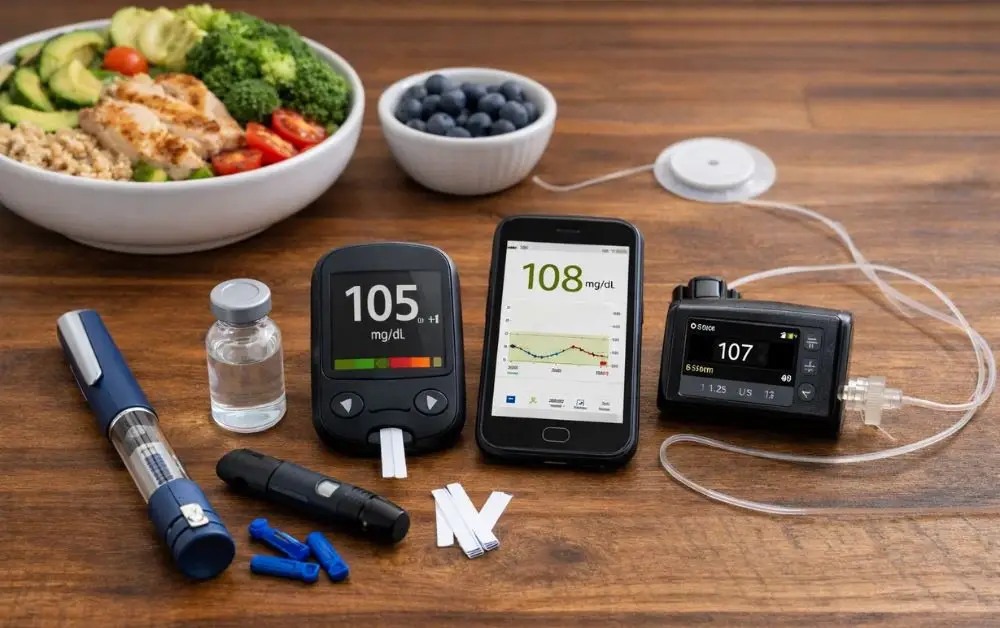
If you live with Type 1 diabetes, you already know that keeping your blood sugar in check is a daily job. It is not just about insulin doses or carb counting; it is about paying attention to what your body does from morning to night. Every meal, workout, stressful moment, or late night can shift your glucose levels.
Type 1 diabetes is different from Type 2. It’s an autoimmune condition, meaning your body no longer produces insulin. That’s why you have to replace it manually through injections or a pump and match it carefully to what you eat and how active you are. Because of that, blood sugar management can feel like a balancing act that never really ends. But once you start spotting patterns in your readings, things begin to make more sense.
What Blood Glucose Patterns Really Mean
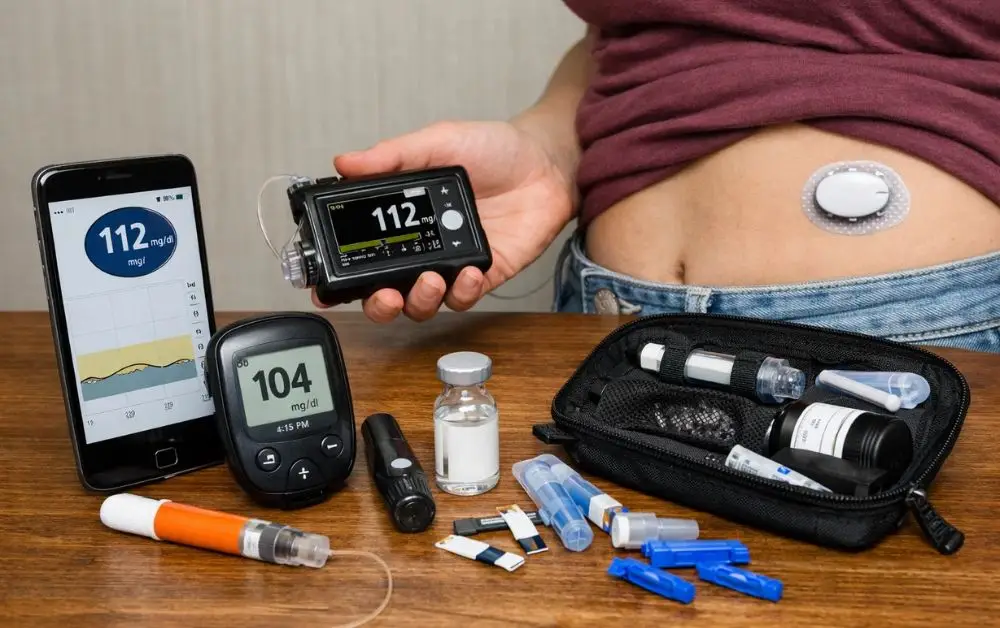
Think of blood glucose patterns as body’s story told through numbers. It is not about one high or one low; it is about the trends you see over time. Maybe your sugar always goes up after breakfast or drops right before bed. Maybe exercise always causes a dip, or stress pushes it up.
When you start seeing those repeated trends, you stop treating each reading as random. Begin to see what is triggering them & that is when managing diabetes starts to feel more predictable & less overwhelming.
Why These Patterns Matter
Insulin, food, movement, & even emotions all work together to affect your blood sugar. If one is out of sync, your readings can swing all over the place. Understanding patterns helps you figure out where things are slipping.
When you track and recognize these trends, you can:
- Adjust your insulin with more confidence
- Avoid sudden highs and lows
- Feel more energetic during the day
- Protect your long-term health
Instead of reacting when things go wrong, you start acting before they do.
The Patterns Most People Notice
If you talk to anyone living with Type 1 diabetes, they’ll tell you the same few patterns tend to show up again & again:
- Morning highs: Often called the dawn phenomenon, this occurs when your body releases hormones in the early hours, raising your blood sugar before breakfast.
- Post-meal spikes: Sometimes carbs hit your system faster than insulin does, or the timing is off.
- Night-time lows: These can sneak up when you’ve been active during the day or took a bit too much insulin with dinner.
The first step to managing these patterns is simply noticing when & why they happen.
How Food Shapes the Numbers
Food is one of the biggest influences on your glucose patterns. Carbs are the leading player; they turn into glucose once digested. But not all carbs are equal.
Simple carbs like white bread, soda, or sweets raise your blood sugar quickly & drop it just as quickly. Complex carbs like oats, beans, fruits, and veggies digest slowly & give you a steady release of energy.
Adding protein and fiber to your meals slows things down even more. That’s why a bowl of rice with grilled chicken and vegetables affects you very differently than rice on its own. Keeping track of what you eat & your readings afterward helps you spot which foods are working for you and which aren’t.
Timing Insulin Right
Insulin timing is just as important as insulin dosing. If you take it too early, you could go low before your next meal. Too late, and your blood sugar shoots up after your meal.
Your rapid-acting insulin should work in sync with the rate at which the carbs in your meal are digested. Basal insulin, your background dose needs the right balance too. Too much, and you risk overnight lows. Too little, and your fasting sugars stay high. It is a constant process of learning your body’s rhythm & adjusting gently.
Using Tools to Help You See the Big Picture
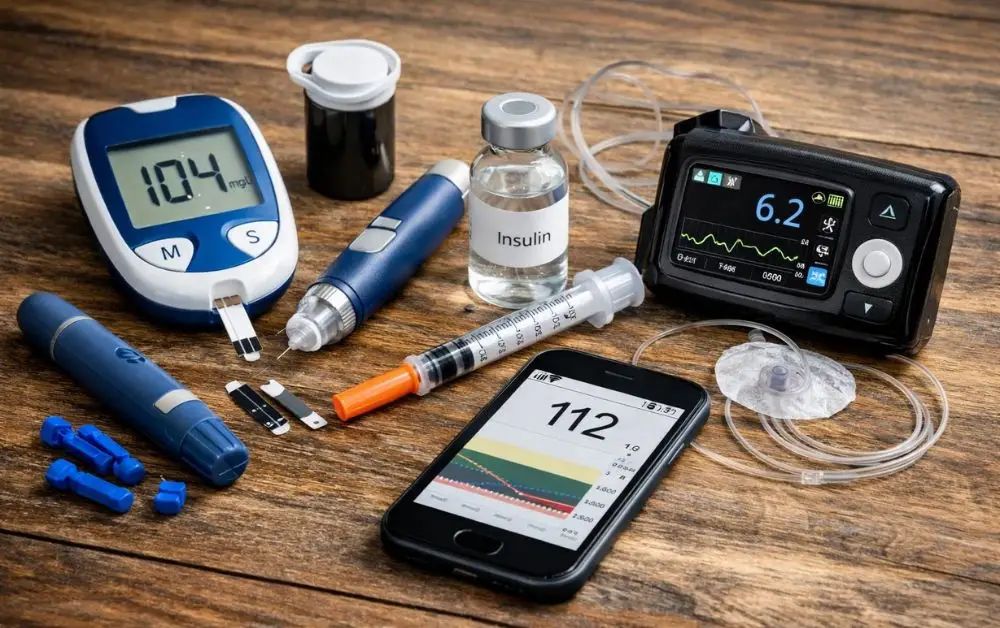
Luckily, technology has made things a lot easier. Continuous Glucose Monitors (CGMs) show how your sugar moves hour by hour. You can see how a meal, a run, or a stressful meeting affects your levels in real time.
Even if you use fingerstick, logging your readings aids. When you look back at a week or two of numbers, the story becomes clear: maybe you’re always high after lunch, or maybe your bedtime snack needs a rethink.
Sharing those records with your doctor or diabetes educator can make your treatment plan way more personalized & effective.
Suggested Read – Early Signs and Symptoms of Type 1 Diabetes
Making It Personal
There is no universal rulebook for Type 1 diabetes. What works for one person might not work for another. Your lifestyle, sleep habits, job, hormones, & stress levels all shape your glucose patterns differently.
That is why one-on-one guidance matters. Programs for Type 1 diabetes management Dubai focus on personalizing insulin schedules, meal timing, & activity plans based on your actual data, not generic advice. When it is customized for you, managing diabetes feels less mechanical and more intuitive.
Final Thoughts
Your blood glucose patterns tell the real story of how your body lives with Type 1 diabetes. Learning to read them helps you fine-tune your insulin, your meals, & your routines in a way that fits your life, not the other way around. If you’re ready to understand your body better and manage diabetes more confidently, Dr. Sadiya Lifestyle offers personalized programs in Dubai designed around your unique patterns, habits, & goals.