
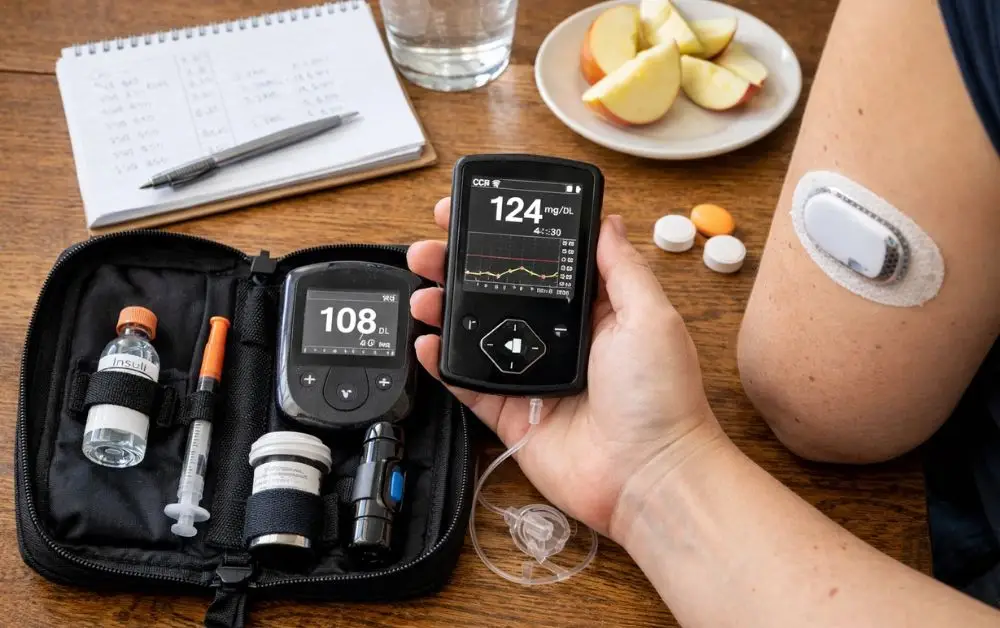
Type 1 diabetes can develop suddenly, often catching people off guard. Spotting the early signs is crucial because quick diagnosis & treatment help prevent serious complications. While it is most common in children and teenagers, type 1 diabetes can appear at any age. Knowing what to look for allows you to take timely action, consult a doctor, and begin the right care plan.
Being aware of these symptoms can also help you make informed decisions about type 1 diabetes management Dubai.
What Happens in Type 1 Diabetes
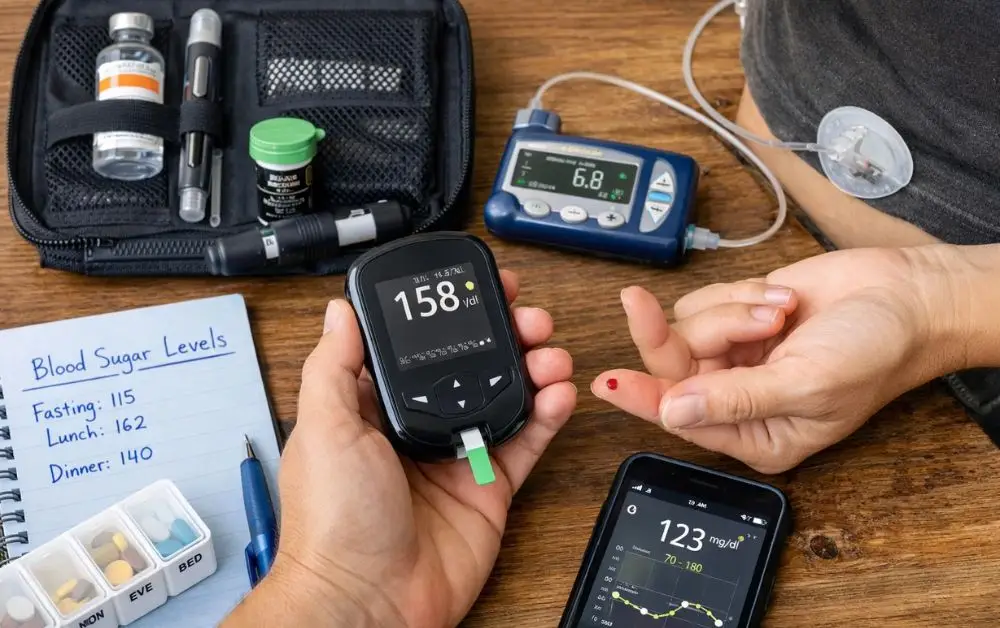
To understand the symptoms, it helps to know what’s happening inside the body. Type 1 diabetes arises when the pancreas’s insulin-producing cells are damaged by the immune system. Without enough insulin, glucose can’t enter the cells to be used as energy, and it stays in the bloodstream instead.
This buildup of sugar in the blood triggers a range of changes that show up as the early warning symptoms of type 1 diabetes.
Common Early Symptoms to Watch For
Excessive Thirst
One of the earliest and most noticeable signs is constant thirst. When blood sugar levels rise, the body tries to flush out the extra glucose through urine. This leads to dehydration, making you feel thirsty even after drinking plenty of water.
Frequent Urination
Increased thirst often leads to urinating more often. You might find yourself visiting the bathroom far more often than usual, even waking up several times during the night. This happens because the kidneys are working harder to remove excess sugar from the blood.
Unexplained Weight Loss
If you or your child is losing weight without trying, it could be an early warning sign. Without insulin, your body can’t use glucose for energy, so it starts breaking down fat & muscle instead. Sudden or unexplained weight loss always deserves medical attention.
Increased Hunger
Despite eating well, you may feel hungry all the time. When your cells aren’t getting the energy they need, the brain signals you to eat more. This symptom often appears alongside rapid weight loss.
Extreme Fatigue
When glucose isn’t entering cells, your body & mind run low on energy. Tasks that once felt easy can become exhausting. Children may appear unusually tired, while adults may feel persistently drained or unfocused.
Blurred Vision
High blood sugar may remove fluid from the lenses, making it difficult to see clearly. Vision may become blurry or fluctuate during the day. This usually improves once blood sugar levels stabilize, but it’s important not to ignore it.
Slow-Healing Wounds
Bruises, cuts, or infections may take longer to heal because high blood sugar affects circulation and weakens the immune response. While this symptom is more common in type 2 diabetes, it can also occur in type 1.
Mood Changes and Irritability
Fluctuations in blood sugar can affect mood & behavior. Children or adults may experience irritability, emotional ups and downs, or a general sense of unease.
Fruity-Smelling Breath
Burning fat for energy produces ketones, causing a sweet or fruity breath odor, which is a serious warning that needs prompt medical attention.
Nausea and Vomiting
When ketones build up to serious levels, it can cause nausea, vomiting, and stomach pain. These are early signs of a condition known as diabetic ketoacidosis (DKA), which is a medical emergency.
Understanding Diabetic Ketoacidosis (DKA)
DKA occurs when the body relies on fat rather than glucose for energy, leading to a rapid buildup of ketones. This makes the blood acidic & can quickly become life-threatening if untreated.
Common warning signs include:
- Rapid or deep breathing
- Abdominal pain
- Fruity-smelling breath
- Confusion or difficulty concentrating
- Severe fatigue
- Dry mouth or skin
If you suspect DKA, seek emergency medical care right away.
Why Early Detection Matters
Type 1 diabetes symptoms often appear suddenly, sometimes within just a few days. Recognizing them early can make a vast difference.
Early diagnosis helps:
- Prevent serious complications: Quick detection reduces the risk of DKA and other emergencies.
- Protect long-term health: Proper treatment aids in preventing nerve, kidney, & vision problems.
- Start effective treatment sooner: Early insulin therapy and blood sugar management set the foundation for a healthier life.
- Support mental well-being: Understanding what’s happening in your body can ease anxiety and help you adjust more confidently.
For individuals living in the UAE, early awareness also makes type 1 diabetes management in Dubai more effective and personalized.
How Type 1 Diabetes Is Diagnosed
Drs use several tests to confirm a diagnosis, including:
- Blood Glucose Test: Measures the amount of sugar in your blood.
- HbA1c Test: Provides an overview of your blood sugar levels for the past three months.
- Autoantibody Tests: Detects immune system markers that target insulin-producing cells.
- Ketone Test: Identifies harmful ketone buildup in the blood or urine.
Once diagnosed, your healthcare provider will help you create a treatment plan that includes insulin therapy, dietary guidance, and lifestyle adjustments.
Also Read – How Type 1 Diabetes Affects the Body Over Time
What to Do If You Notice Symptoms
If you or your child experiences any of the symptoms mentioned, don’t delay medical care. Early action can prevent serious complications.
Steps to take:
- Book an appointment with your doctor immediately.
- Note any symptoms & when they began.
- Ask for a blood glucose test.
- Monitor thirst, hunger, and urination patterns.
- Seek urgent care if your symptoms worsen or if you start feeling nauseous or vomiting.
Acting quickly ensures timely treatment and better long-term outcomes.
Final Thoughts
Type 1 diabetes can appear suddenly, but knowing the warning symptoms can make all the difference. Symptoms like excessive thirst, frequent urination, fatigue, blurred vision, and sudden weight loss should not be ignored. With early diagnosis & a well-structured care plan, it is possible to manage the condition effectively & maintain a healthy, active life. For expert guidance and compassionate support in managing type 1 diabetes in Dubai, Dr. Sadiya Lifestyle offers personalized care tailored to your needs & long-term well-being.