

Type 1 diabetes is a lifelong condition that develops when the pancreas produces no insulin. The hormone responsible for keeping blood sugar in check. Unlike Type 2 diabetes, which often appears later in life, Type 1 usually begins in childhood or adolescence, though adults can develop it too.
Without proper care, high blood sugar can quietly affect many systems in the body. Understanding how these changes happen can help patients and families take early, meaningful steps toward prevention. At Genesis Dubai, Type 1 diabetes management focuses on long-term care through insulin therapy, healthy habits, and close medical support.

1. The Immediate Effects on Blood Sugar
When insulin is missing or insufficient, sugar can’t move from the bloodstream into cells for energy. Instead, it builds up, causing symptoms that can appear suddenly:
- Constant thirst and frequent urination
- Unexplained weight loss
- Tiredness and irritability
- Blurred vision
These early signs are the body’s way of asking for help. Persistent high blood sugar (hyperglycemia) isn’t just uncomfortable; it can set the stage for serious complications. Getting the right insulin therapy and making timely lifestyle changes helps restore balance before long-term damage occurs.
2. How the Heart and Blood Vessels Are Affected
Over time, uncontrolled diabetes can take a toll on the heart and blood vessels, high sugar levels damage artery walls, leading to poor circulation and increasing the risk of heart disease.
- It may lead to hardening of the arteries (atherosclerosis)
- Increases the risk of heart attacks & strokes
- Often contributes to high blood pressure
Protecting your heart means keeping blood sugar, cholesterol, and blood pressure within healthy ranges — and that starts with daily consistency, regular exercise, and smart nutrition.
3. Nerve Damage (Diabetic Neuropathy)
One of the more common long-term effects of Type 1 diabetes is nerve damage, especially in the hands and feet. When sugar levels stay high, nerves lose their ability to send proper signals, causing:
- Tingling, burning, or numbness in extremities
- Reduced sensitivity to temperature or pain
- A higher risk of infections & foot ulcers
Simple habits, like checking your feet daily and wearing comfortable shoes, can make a vast difference. Keeping glucose levels stable and seeing your doctor regularly helps prevent this kind of nerve damage before it becomes serious.
4. Kidney Strain and Damage
The kidneys act as filters for waste in the body, but when blood sugar remains high for years, they have to work overtime. Eventually, this can lead to kidney disease (diabetic nephropathy). Warning signs often include:
- Protein showing up in the urine
- Gradual decline in kidney function
- Severe cases may progress to kidney failure
Routine blood and urine tests can detect issues early. Managing blood sugar, eating a kidney-friendly diet, & following your doctor’s advice can help protect these vital organs for the long term.
5. Eye Complications (Retinopathy)
The small blood vessels in the eyes are susceptible to changes in blood sugar. Over time, this might lead to diabetic retinopathy, one of the significant causes of vision loss among people with diabetes.
Common signs include:
- Blurred or fluctuating vision
- Dark spots or “floaters”
- Gradual loss of sight in the advanced stages
Regular eye exams, reasonable sugar control, & managing blood pressure can go a long way in protecting your vision and preventing irreversible damage.
6. Skin and Immune System Challenges
High blood sugar can also affect the body’s first line of defense — the skin and immune system. People with diabetes may notice:
- More frequent skin infections (bacterial or fungal)
- Slow healing of cuts & wounds
- Dry, itchy skin or small dark patches (diabetic dermopathy)
Good skincare habits, proper hydration, and stable blood sugar levels help the skin stay healthy and resilient.
7. Digestive and Hormonal Changes
Over time, diabetes can affect digestion and hormone levels. Some people experience gastroparesis, a condition in which the stomach empties more slowly than usual, leading to bloating, nausea, and discomfort. Women may also notice changes in menstrual cycles or other hormonal imbalances.
These issues can be managed with careful meal planning, glucose monitoring, and medical treatment when needed. A personalized care plan makes a huge difference in controlling these symptoms.
8. The Role of Comprehensive Management
Because Type 1 diabetes touches so many parts of the body, comprehensive care is key. Effective management involves:
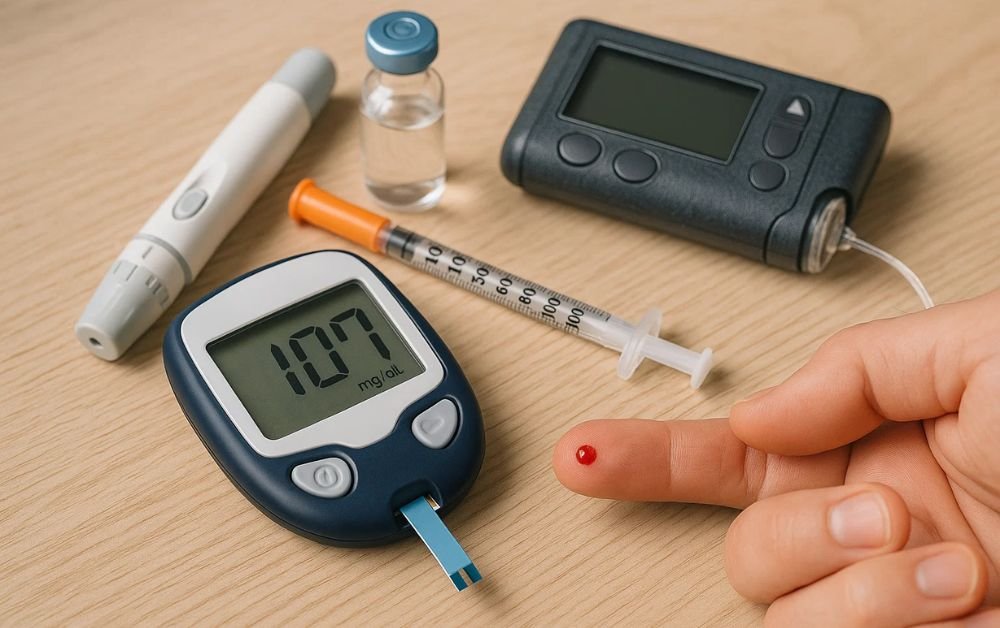
- Regular blood sugar checks & insulin administration
- A well-balanced diet personalized to your needs
- Consistent exercise and stress management
- Routine screenings for potential complications
This approach not only prevents major health problems but also helps maintain energy, focus, & overall well-being.
In Conclusion
Type 1 diabetes affects nearly every system in the body over time, from the heart and nerves to the kidneys and eyes. While that might sound daunting, proactive management can dramatically reduce these risks. Consistent monitoring, healthy habits, and professional guidance make all the difference.At Dr. Sadiya Lifestyle Clinic, patients receive specialized support for Type 1 diabetes management Dubai, including tailored nutrition plans, insulin guidance, and lifestyle coaching — empowering them to live healthier, more balanced lives every day.