
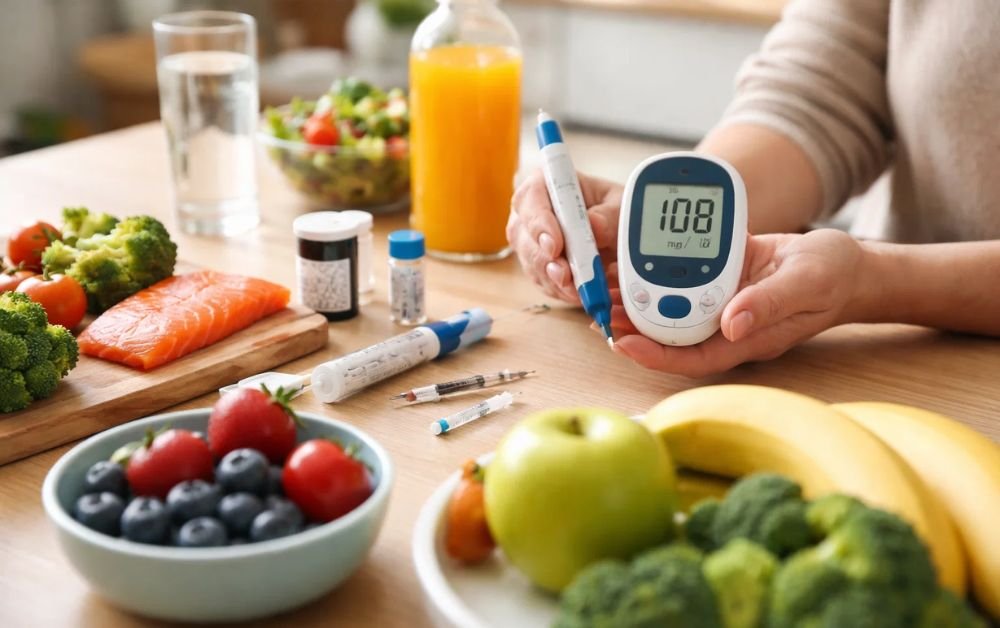
The management of Type 1 diabetes is a balancing daily activity of insulin, physical activity, stress, and most importantly, the timing of meals. Timing is equally important to what you eat since timing affects the way your body processes glucose and the efficiency of your insulin dosages for carbohydrate uptake. For individuals who require Type 1 diabetes management Dubai, the concept of proper timing to consume meals can be a significant boost in overall insulin levels and the quality of life. In promoting the best results with diabetes treatment, personalized timing and consistency are two of the key elements of successful diabetes management, as highlighted by Dr. Sadiya, who is a leading nutritionist in the UAE and considers timing as an additional component of the best results with insulin doses, lifestyle, and behavioural habits to make the best of glucose.
Why Meal Timing Matters in Type 1 Diabetes
In Type 1 diabetes, the pancreas secretes insignificant or no insulin, and, thus, it is important to align mealtime insulin with food consumption. Unlike most people who do not have diabetes, Type 1 diabetes patients have to be aware of the effect of carbohydrates on blood glucose levels and schedule insulin activity to coincide with the release of food. Surveys indicate that regular and predictable eating and insulin intake will keep the blood sugar levels more constant and reduce the occurrences of spikes and lows.
Timing also plays with our biological rhythms: we are more likely to have an increased insulin sensitivity in the morning and a decreased insulin sensitivity in the evenings. Eating habits that are irregular or delayed can alter blood glucose levels and can become a source of metabolic stress – which is of particular concern in the long-term health.
Core Meal Timing Strategies
1. Establish a Regular Eating Schedule
Consistency is key. Scheduling the time of eating breakfast, lunch, dinner, and scheduled snacks can aid you in anticipating the body’s reaction and adjustment of insulin dosage. Research has shown that maintaining a time interval of about 3-4 hours between meals can prevent overlapping insulin coverage of the last dosage and minimize the erratic glucose fluctuation.
Practical Tips
- Wake up, eat, and take morning insulin every day.
- There should be regular intervals between meals, including weekends.
- Keep time by setting alarms or mobile phone notifications when you are in a rush.
2. Coordinate Meals with Insulin Action
The insulins that are rapid-acting are most effective when they are administered just before meals. It has been indicated that administration of a bolus dose 10-15minutes prior to a meal can led to reduced glucose peaks compared to administration at the beginning or after meals.
Such timing prior to meals allows the insulin to take effect as the digestive system starts, and lowers the spikes after meals. Nevertheless, this plan must never be generalized and must be discussed with your health care provider or trained educator on diabetes.
3. Optimize Carbohydrate Distribution Throughout the Day
Instead of eating the majority of carbohydrates either in a single or two big meals, it may be useful to distribute them uniformly to keep the glucose levels constant. To prevent large excursions of glucose, there is some evidence in favor of a smaller, more frequent meal pattern (e.g., 4-6 bite-sized meals or snacks per day).
What This Looks Like
| Time | Meal |
| 7:00-8:00 AM | Breakfast (balanced carbs, proteins, and fats) |
| 10:00-11:00 AM | Mid-morning snack |
| 1:00-2:00 PM | Lunch |
| 4:00 PM | Afternoon snack |
| 7:00-8:00 PM | Dinner |
Scheduling the meals in this manner facilitates more foreseeable insulin matching and reduces the chances of excessive blood sugar control.
4. Mind Circadian Rhythms and Avoid Late-Night Eating
A late dinner may distort the metabolism, and insulin will find it more difficult to regulate the levels of sugar. Although studies are still underway on the influence of circadian rhythms on glucose, it is believed by many clinicians that it is better to complete dinner at least 2-3 hours before going to sleep and avoid heavy late-night snacks.
This not only helps to control glucose better, but it can also help to get more sleep and have better metabolic health.
5. Adapt Meal Timing with Physical Activity
Exercise also interacts with the timing of meals. Post-meal activity – A 10-20-minute stroll can be used to make the muscles utilize glucose and smooth out post-meal peaks. This plan is not a replacement for insulin but has the ability to improve general glucose stability.
Personalizing Your Meal Time
Every patient with Type 1 diabetes is different. What is effective in one person is not necessarily effective in another, and such aspects as age, insulin regimen, activity level, and personal routine are all important. It is here that professional directions become important. Dr. Sadiya offers personalized courses in the management of Type 1 diabetes in Dubai and combines your lifestyle with the best meal timing, nutrition preferences, and insulin regimens. Her strategy is a combination of medical knowledge and life practice that can enable people to achieve a more optimal level of glucose management and live a life with pleasure.
Conclusion
The use of meal timing is an effective measure in the Type 1 diabetes kit. With the help of training regular eating times, synchronizing meals with insulin response, separating carbohydrates during the day, and following the established internal clock in your body, you will be able to maintain better glucose regulation and improve the quality of life. Coupled with professional assistance, i. e., the one provided by the top nutritionist of Type 1 diabetes management in Dubai, Dr. Sadiya, these strategies will become a part of the individualized and long-term health program. Utilizing the work of a specialist can mean that your schedule fits your insulin schedule, exercise habits, and life engagements, which will enable you to live a normal life with Type 1 diabetes.