 Skip to content
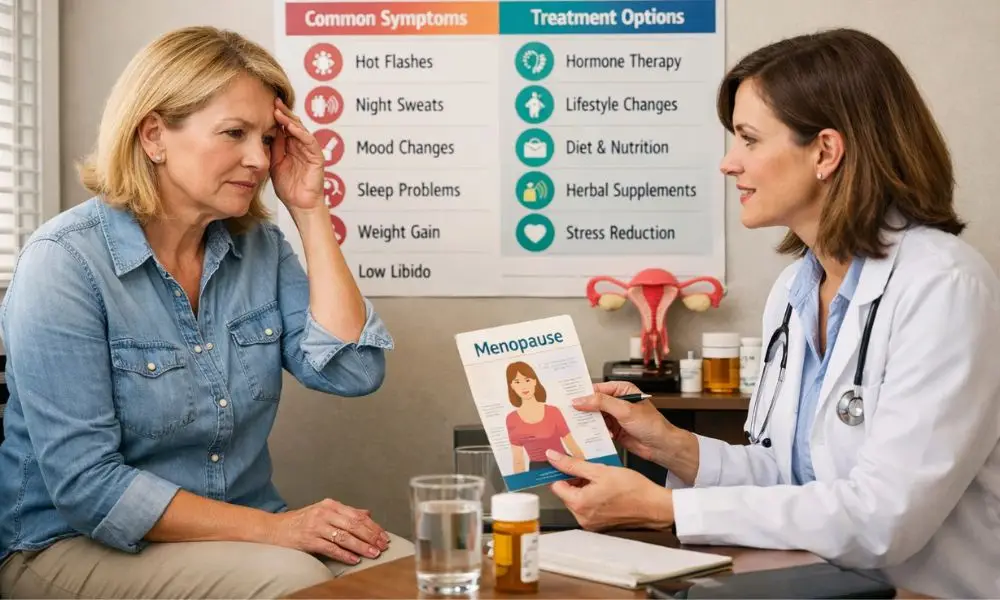
Menopause is a normal and important stage in a woman’s life, which indicates a cessation of reproduction. The menopause management in dubai has received an appeal today as more women express the need to gain clarity and professional guidance to go through the transition. Although the menopause is a natural process that is unpreventable, menopause symptoms are mostly influenced by hormonal changes that occur within the body. Learning about such changes makes women feel more equipped, stronger, and confident at this stage. Professionals such as Dr. Sadiya, one of the most renowned nutritionists of Dubai, come in handy in leading women through the menopausal years with the help of nutrition and lifestyle-based methods.
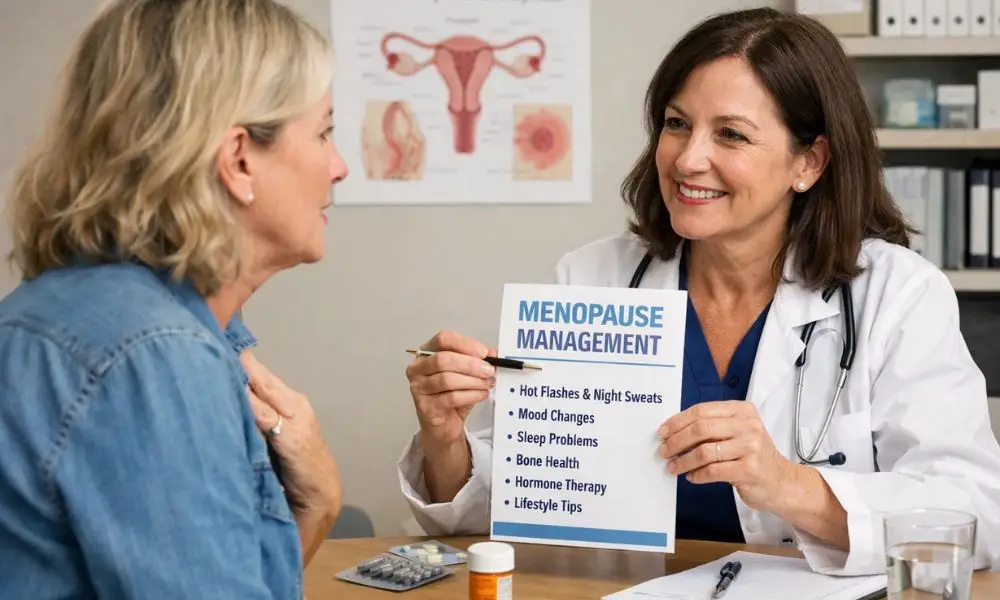
Understanding Menopause and Its Stages
Diagnosis happens when the woman reports no menstrual cycle for 12 months. It tends to happen between the ages of 45 and 55 years, though it may take place at any age. Menopause occurs in stages, and it consists of three phases:
- Perimenopause – The years before menopause during which hormones start varying.
- Menopause – The stage at which menstruation ceases.
- Postmenopause – This is the period after menopause when the hormone levels have stopped fluctuating and become more stable.
Every phase is influenced by the hormonal changes that influence various body systems.
The Role of Estrogen Decline
The most common hormone with reference to female reproductive health is estrogen. It controls the menstrual cycle, bone density, cardiovascular health, as well as moods and skin health. Estrogens are unpredictably high and low during perimenopause and considerably lower in the aftermath of menopause.
The most common menopausal symptoms are attributed to this reduction in estrogen, which includes:
- Hot flashes and night sweats
- Vaginal dryness
- Changes in skin elasticity
- Increased risk of bone loss
- Bad temper and irritability.
With the influence of estrogen on so many body systems, it can be overwhelming when one experiences the loss of it without adequate information and counseling.
Progesterone and Its Impact
Progesterone is known to have multiple roles with estrogen to control menstruation and aid pregnancy. A decline in the levels of progesterone is one of the first hormonal changes of perimenopause. The result of this reduction is usually seen in the form of irregular periods, heavier bleeding, increased anxiety, and sleep disturbance.
Reduced progesterone can also be a cause of the restless feeling and inability to deal with stress, of which many women feel even prior to the onset of menopause.
Increase in FSH and LH Hormones
When the levels of estrogen and progesterone decrease, the brain tries to stimulate the ovaries by secreting additional follicle-stimulating hormone (FSH) and luteinizing hormone (LH). These hormones are, however, high as the ovaries lose their sensitivity with age.
The presence of high levels of FSH is usually considered a sign that menopause is about to happen or already happened. These hormone irregularities result in such symptoms as hot flashes and changes in body temperature regulation.
How Hormonal Changes Affect the Body
Temperature Regulation
The temperature control mechanism of the brain is also sensitive because falling estrogen causes sudden hot flushes and night sweats.
Sleep and Emotional Health
The hormonal fluctuations may interfere with sleep patterns and neurotransmitters and expose one to insomnia, mood swings, anxiety, and low levels of energy.
Bone and Joint Health
Estrogen is useful in preserving bone density. Bone breakdown is greater than bone formation following menopause, putting individuals at risk of osteoporosis and pain in joints.
Heart Health
Estrogen helps maintain the normal cholesterol and elasticity of the blood vessels. The risk of cardiovascular issues could be high due to its diminution in case lifestyle factors have not been considered.
Supporting Hormonal Balance During Menopause
Menopause does not have to be unnatural, yet its symptoms can be treated well using the correct strategies.
Nutrition-Focused Support
Diet is a very important aspect of hormones. High-calcium, vitamin D, fiber, and healthy fats, as well as plant-based diets, can be beneficial in keeping the bones strong, heart healthy, and the gut balanced. Some of the women may also be relieved by phytoestrogen-rich foods.
Lifestyle Adjustments
Regular physical exercises, strength training, stress management, and sufficient sleep can go a long way in alleviating pains associated with menopause. These practices also promote both metabolic and emotional well-being in the long run.
Also Read – The Stages of Menopause: From Perimenopause to Postmenopause
Personalized Professional Guidance
Menopause is a different thing for every woman. Care is of a personalized nature, and the presence of competent professionals would make the process safe and effective. Dr. Sadiya, a senior nutritionist in Dubai, is concerned about evidence-based nutrition and lifestyle management and avoids fixing the symptoms but solving the root cause of hormonal imbalance.
A Positive Perspective on Menopause
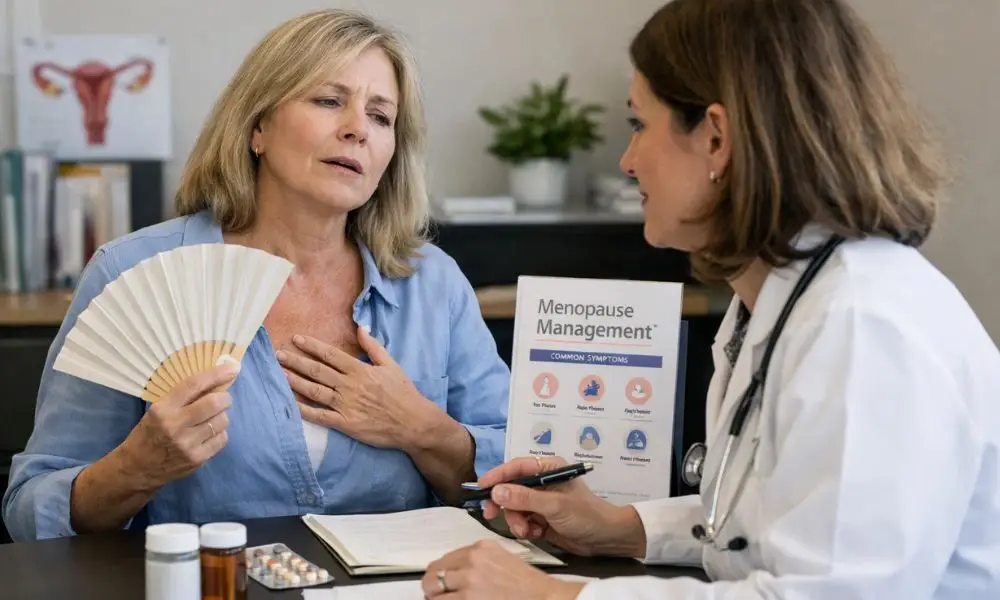
Menopause is not a terminal but a new beginning. It is a period of revolution that has welcomed women to a shift in focusing on their health, well-being, and self-care. This transition can be empowering as opposed to overwhelming with the appropriate knowledge and proper support system.
With the growing awareness regarding the management of menopause in dubai, women are currently enjoying holistic approaches towards managing menopause, which entail nutrition and changes in lifestyle coupled with professional advice. By allowing women, with the help of such professionals as Dr. Sadiya, to cope with hormonal changes, stay active, and accept the menopause as a healthy and joyful phase of life, women will feel much more confident.