

Menopause is a natural milestone in every woman’s life; a transition that marks the end of her reproductive years. But it is not something that happens overnight. It unfolds gradually, in stages, as the body adjusts to changing hormone levels.
Understanding these stages perimenopause, menopause, and postmenopause helps women prepare, manage symptoms, and protect their long-term health. With the proper support and professional care, such as menopause management in Dubai, this transition can become a time of renewal rather than discomfort.
1. Perimenopause: The Transition Begins
Perimenopause usually begins a few years before the final menstrual period, often in a woman’s 40s, though it can start earlier for some. During this time, the ovaries begin producing less estrogen and progesterone, leading to fluctuations that affect both body and mind.
Common changes may include:
- Irregular or unpredictable periods
- Hot flashes and night sweats
- Trouble sleeping or feeling unusually tired
- Mood swings, anxiety, or irritability
- Vaginal dryness and lower libido
Even though fertility decreases, pregnancy is still possible during perimenopause. Making minor lifestyle adjustments, such as eating well, staying active, and managing stress, can ease many of these symptoms. Consulting a menopause specialist can also help women navigate this stage with clarity and comfort.
2. Menopause: The Official Transition
Menopause is confirmed when a woman has gone 12 consecutive months without a menstrual period. For most, this happens around age 50 or 51, though the timing can vary.
During this stage, estrogen levels drop significantly, leading to symptoms that may intensify for a time:
- Hot flashes, night sweats, & sleep disruptions
- Vaginal dryness & discomfort during intimacy
- Changes in urinary function
- A gradual decline in bone density & heart protection
Because estrogen supports both bone and cardiovascular health, post-menopausal women are encouraged to have regular screenings, eat calcium-rich foods, and engage in strength or weight-bearing exercise. Simple steps like maintaining a heart-healthy diet and taking vitamin D can go a long way.
3. Postmenopause: Life After Menopause
Once menopause has passed, a woman enters the postmenopausal stage, the years beyond the final period. By this point, hot flashes and mood swings often lessen, but the drop in estrogen brings new long-term health considerations.
Key areas to watch include:
- Bone health: The risk of osteoporosis increases owing to reduced estrogen.
- Heart health: Cholesterol levels may rise, raising the chance of heart disease.
- Weight changes: A slower metabolism can lead to increased belly fat.
- Urogenital health: Vaginal dryness or urinary incontinence may become more noticeable.
Staying active, eating nutrient-rich foods, & having regular checkups can help manage these shifts and maintain vitality in the years ahead. Hormone therapy may also be an option for some women, under medical guidance.
4. Emotional and Mental Well-Being
Menopause is not just a physical journey, but it can also affect emotional & mental health. Fluctuating hormones may lead to mood swings, brain fog, or even mild depression. Sleep disruptions can worsen these feelings.
Women often describe feeling “not quite themselves” during this stage, but that does not mean it’s permanent. Techniques like mindfulness, yoga, therapy, or support groups can help restore balance & emotional strength. Prioritizing mental well-being is just as vital as managing physical symptoms.
5. Healthy Lifestyle Strategies
A healthy lifestyle can dramatically ease the transition through all stages of menopause. Here are some proven strategies that make a real difference:
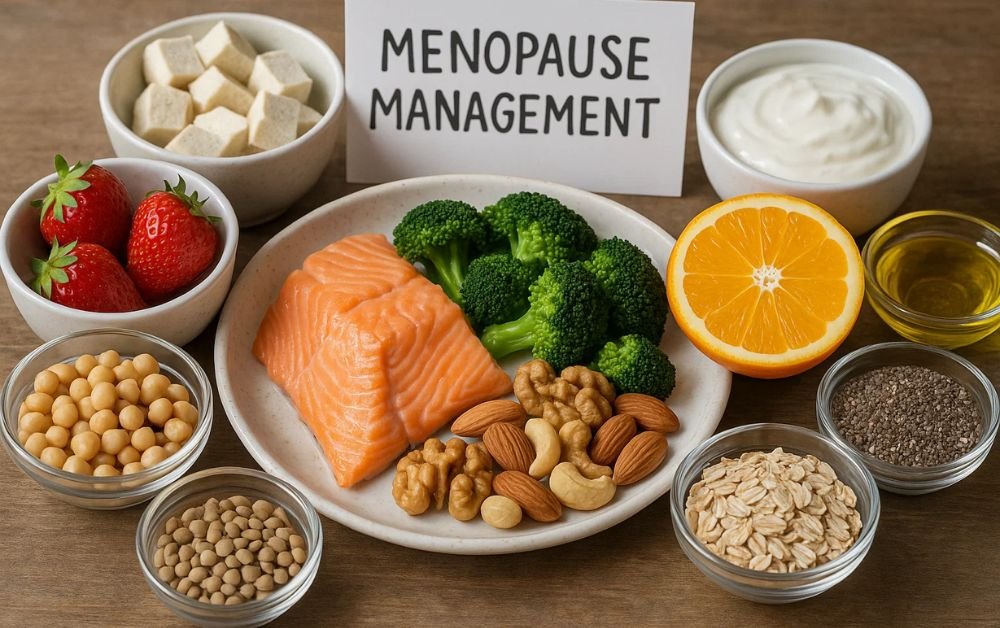
- Eat well: Focus on whole grains, lean proteins, vegetables, fruits, & calcium-rich foods.
- Exercise regularly: Combine cardio, strength training, & flexibility workouts.
- Manage stress: Try meditation, deep breathing, or yoga to calm the mind.
- Sleep better: Keep your bedroom cool and dark, & maintain a consistent bedtime.
- Limit triggers: Reduce caffeine, alcohol, and spicy foods if they worsen hot flashes.
These daily habits not only help relieve symptoms but also improve overall health and confidence.
6. When to Seek Professional Help
While lifestyle changes can make a vast difference, some women experience symptoms that are more intense or disruptive. That is where expert support can aid.
A specialist in menopause management can offer:
- Hormone replacement therapy (HRT) options
- Nutritional guidance custom-made to hormonal health
- Recommendations for supplements or alternative treatments
- Personalized wellness plans for long-term care
At Dr. Sadiya Lifestyle Clinic in Dubai, women receive comprehensive menopause management designed to meet individual needs, from symptom relief to preventive care & emotional support.

In Conclusion
Menopause is not a single event but a gradual process unfolding in three distinct stages, each bringing its own changes and opportunities for growth. Understanding what’s happening in your body & taking proactive steps can make the transition much smoother.
From perimenopause to postmenopause, the proper guidance, lifestyle choices, and medical care can help women feel empowered, balanced, and healthy through every stage of this journey.
For those seeking expert care, Dr. Sadiya Lifestyle Clinic in Dubai offers personalized programs for menopause management, helping women embrace this new chapter with strength and confidence.