

Menopause is a natural milestone in every woman’s life, marking the end of her reproductive years. It usually occurs between the ages of 45 & 55, though the transition called perimenopause can begin several years earlier.
Recognizing the early signs of menopause can aid you prepare, manage symptoms effectively, and protect your long-term health. For women in the UAE, early awareness also means you can access personalized menopause management in Dubai to make this transition smoother & more comfortable.
This guide breaks down the most common signs that indicate you’re entering menopause, why they happen, and how you can manage them.
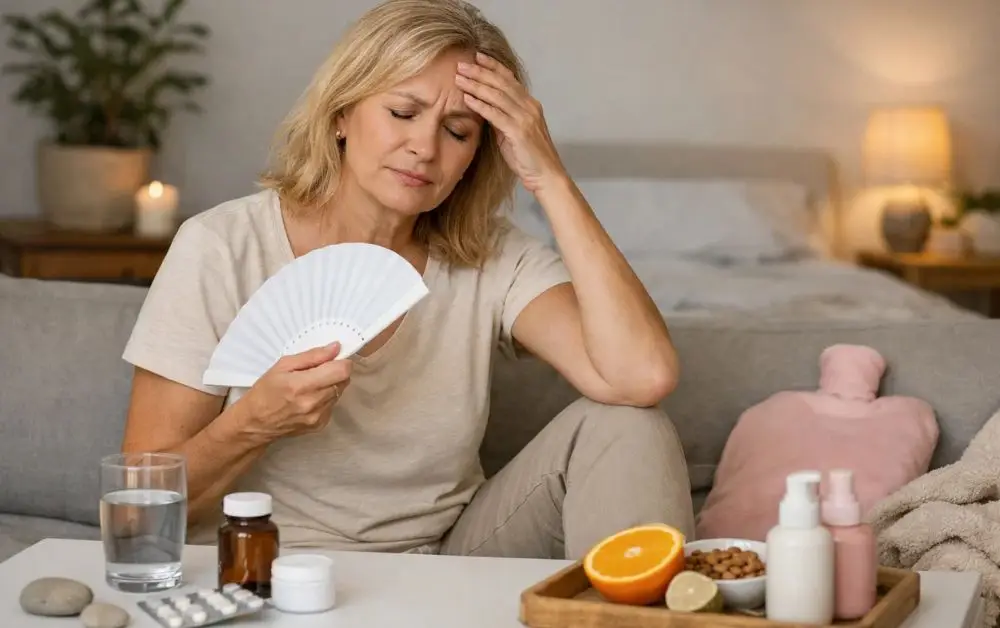
Irregular Periods
One of the first and most noticeable signs of perimenopause is a change in your menstrual cycle. Your periods may become lighter or heavier, shorter or longer, or they may skip altogether.
- Why it happens: Hormonal fluctuations disrupt ovulation, leading to irregular bleeding.
- What to do: Keep a record of your menstrual patterns & discuss any significant changes with your doctor.
This phase can last several years before your periods stop completely.
Hot Flashes and Night Sweats
Hot flashes, sudden waves of heat spreading across your upper body, are one of the most common symptoms of menopause. When these occur at night, they can cause sweating and disturb your sleep.
- Why it happens: The drop in estrogen affects your body’s ability to regulate temperature.
- How to manage: Dress in breathable layers, stay hydrated, and avoid caffeine, alcohol, & spicy food.
If hot flashes or night sweats disrupt your daily life, consider speaking to a specialist in menopause management for tailored treatments.
Trouble Sleeping
Many women notice difficulty falling or staying asleep during menopause. Sometimes, night sweats are to blame, but stress or mood changes can also contribute.
- Impact: Lack of quality sleep can lead to fatigue, poor focus, and irritability.
- How to cope: Establish a calming bedtime routine, avoid screens before bed, & keep your room cool and dark.
If sleep problems persist, your doctor can help rule out other causes and recommend practical solutions.
Mood Swings and Irritability
Fluctuating hormone levels can affect your mood, leaving you feeling anxious, short-tempered, or even depressed.
- Why it happens: Estrogen helps regulate mood-related brain chemicals like serotonin and dopamine. When levels drop, mood changes become more common.
- What helps: Regular exercise, mindfulness, and talking openly with a counselor or therapist can improve emotional balance.
Addressing emotional changes early can prevent them from affecting your daily life or relationships.
Vaginal Dryness and Discomfort
Reduced estrogen can lead to vaginal dryness, itching, and discomfort during intimacy. These changes are common but can significantly affect quality of life.
- Why it happens: Estrogen keeps vaginal tissues supple & lubricated. Its decline causes thinning & dryness.
- How to relieve it: Use water-based lubricants or vaginal moisturizers. In more severe cases, a specialist can suggest hormone or non-hormone therapies for relief.
Please don’t ignore these symptoms; they are manageable with the proper support.
Lower Libido
Many women experience a drop in sexual desire during menopause. This can be due to hormonal shifts, vaginal discomfort, fatigue, or stress.
- How to manage: Open communication with your partner, staying active, and addressing vaginal dryness can all help.
- Extra support: A menopause or nutrition specialist can provide holistic solutions that balance hormones & improve overall well-being.
Brain Fog and Memory Lapses
If you’ve found yourself forgetting names or losing focus easily, you’re not alone. Cognitive changes, often described as “brain fog,” are common during menopause.
- Why it happens: Hormone fluctuations can affect brain function and memory.
- Tips: Stay mentally active, eat brain-boosting foods (like fatty fish and leafy greens), stay hydrated, and get enough sleep.
While these symptoms are temporary for most women, building healthy habits can help you stay sharp.
Hair and Skin Changes
As estrogen declines, you may notice thinner hair, drier skin, or changes in texture.
- Why it happens: Estrogen supports collagen & skin elasticity while helping maintain healthy hair growth.
- What to do: Eat a nutrient-rich diet with adequate protein, vitamins, and omega-3 fatty acids. Moisturize regularly and use gentle, non-irritating products.
These changes are regular but can be managed with care and the proper skincare routine.
Weight Gain and a Slower Metabolism
Many women notice weight gain, mainly around the abdomen, during menopause. This is owing to a combination of hormonal changes, slower metabolism, and age-related muscle loss.
- How to manage: Focus on balanced meals, mindful eating, & regular exercise, particularly strength training and cardio.
- Professional tip: A dietician or menopause specialist in Dubai can help you create a sustainable nutrition plan that supports hormonal balance and healthy weight management.
Related Blog – The Stages of Menopause: From Perimenopause to Postmenopause
When to See a Specialist
While some menopause symptoms are mild, others can significantly impact your comfort and daily routine. Consider seeing a healthcare provider if you experience:
- Severe hot flashes or night sweats
- Ongoing mood swings or sleep issues
- Persistent vaginal discomfort
- Rapid weight gain or bone pain
A menopause specialist in Dubai can assess your symptoms, recommend lifestyle changes, & offer hormone or non-hormone treatments tailored to your needs.
Final Thoughts
Menopause is a natural part of life, not a medical condition to be feared. Recognizing early signs like irregular periods, hot flashes, sleep problems, mood shifts, and changes in skin or weight allows you to take charge of your health. For personalized support and comprehensive menopause management in Dubai, Dr Sadiya Lifestyle provides compassionate, expert care designed to help women navigate this transition with ease and balance.